Hector Retamal/AFP via Getty Images
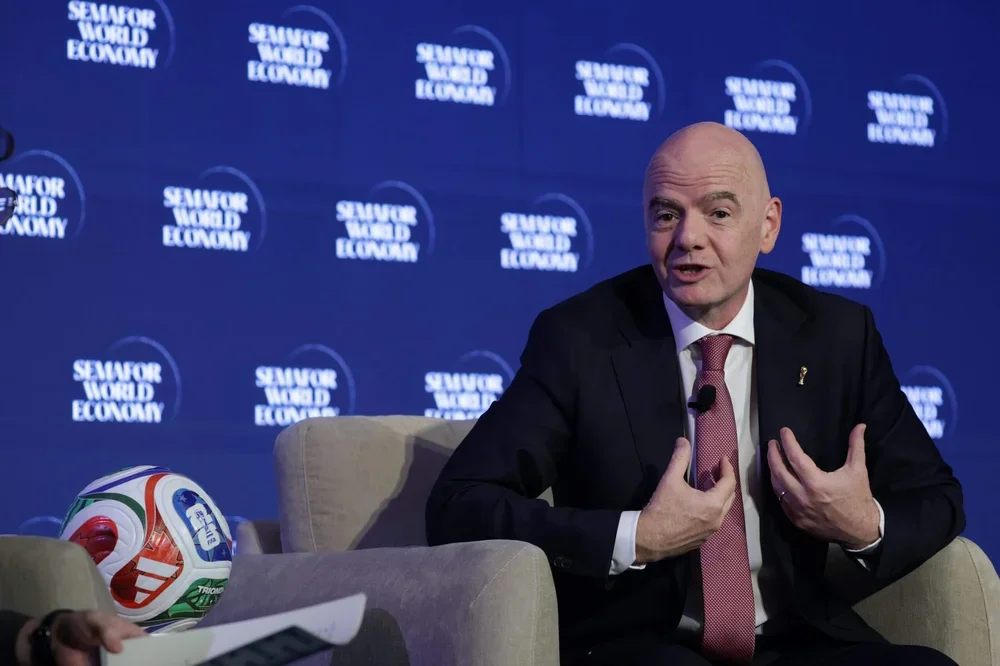
FIFA President Gianni Infantino recently joked that the organization has been “the official happiness provider to humanity since 1904,” a line he first tested at the World Economic Forum’s comedy festival in Davos and later repeated at the Milken Institute Global Conference in Beverly Hills. During a conversation with investors, Infantino emphasized that investing in FIFA means investing in happiness, children, and the future. However, the light-hearted moment belied a serious issue: Reuters reported just a day earlier that millions of soccer fans in the world’s two most populous nations—China and India—may not be able to watch the World Cup this summer, as FIFA continues to haggle with broadcasters over media rights.
FIFA President Gianni Infantino (Alex Wong/Getty Images)
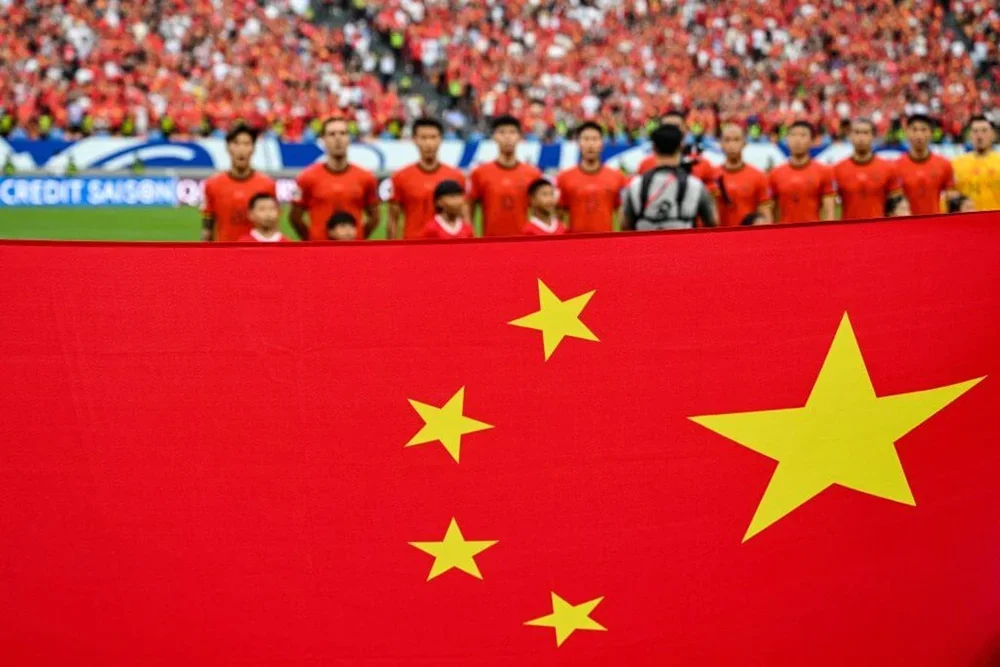
This news has circulated globally, as FIFA confirmed it has secured rights deals with “more than 175 territories,” but has missed several key markets. At the time of the report, FIFA had not yet finalized World Cup agreements in Pakistan, Bangladesh, Thailand, or Myanmar. This means the organization was set to provide happiness to humanity, but not for the first, second, fifth, eighth, 23rd, and 29th most populous countries, along with several other Asian nations and nearly 20 Caribbean islands—including two nations sending teams to the World Cup.
Since then, FIFA has reportedly signed a deal for Bangladesh with a media outlet called Springbok, though no official announcement has been made. This brings the total to 180 of FIFA’s 211 member associations with watch party arrangements. A deal with a pan-Caribbean streamer also appears imminent, which would allow fans in Curacao and Haiti to watch their teams. Combined, these additions would grant legal access to approximately 200 million more people. Still, that leaves around 3.3 billion people—40 percent of the global population—without a confirmed broadcast arrangement for the tournament.